


Last updated on 19 December 2025.
On 15 April 2023, intense fighting broke out between the Sudanese Armed Forces and the Rapid Support Forces in Khartoum and across most of Sudan. Since then, the conflict has killed and injured thousands of people.
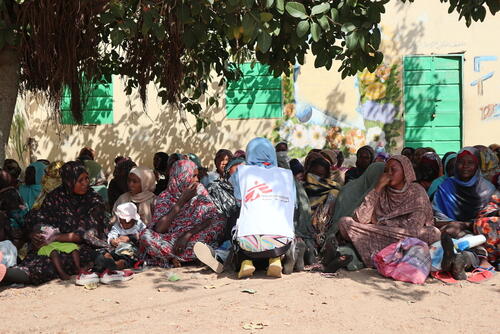
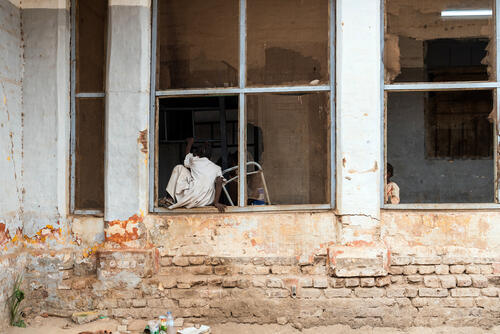
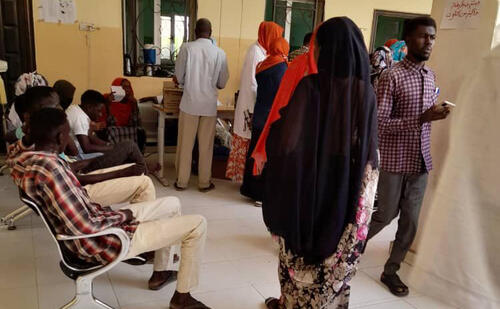
The war in Sudan is a war on people. Across large parts of Sudan, and especially in Darfur, people have experienced ongoing violence, including intense urban warfare, gunfire, shelling, and airstrikes. Our teams are treating patients with injuries caused by explosions, bullets, and stabbings. Healthcare workers and facilities have been attacked and looted.
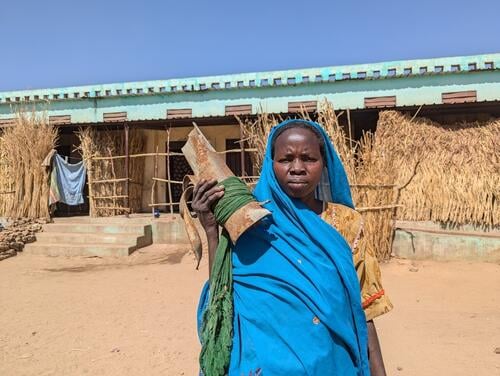
Nearly 12 million people have been displaced since the conflict began, including over 4 million who have sought safety in neighbouring countries (UNHCR). Displaced people’s camps lack adequate healthcare and humanitarian aid. There are catastrophic levels of malnutrition, with the IPC estimating that over 21 million people experienced high levels of acute food insecurity in September 2025. A cholera outbreak is yet another peril for the people of Sudan.
This is all taking place while the World Health Organization estimates that more than one third of health facilities are non-functional in the country. With very few international aid organisations on the ground, the humanitarian response is far from adequate. Restrictions imposed on humanitarian organisations by the Sudanese authorities further isolate people in need of assistance.
People’s suffering in Sudan is not just a humanitarian crisis. It is a political failure. The humanitarian response is underfunded, deprioritised, and stalled by a lack of political will—both internationally and within Sudan.
Featured
MSF’s response in Sudan
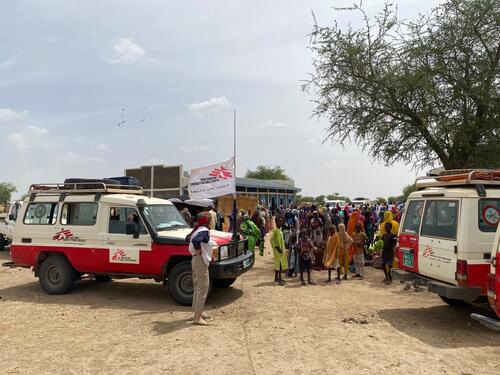
In Sudan, MSF is present in 8 out of the 18 states in the country. Our 1,400 Sudanese staff and 140 international staff currently work in and/or support 20 hospitals, 16 basic healthcare facilities, and various clinics and mobile clinic sites.
In Sudan, MSF teams:
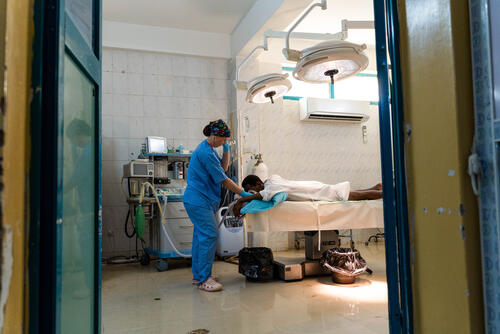
- Provide emergency medical treatment, including surgeries, for war wounded and non-war related injuries.
- Respond to disease outbreaks.
- Provide maternal and paediatric healthcare
- Offer water and sanitation services.
- Donate medicines and medical supplies to healthcare facilities, and provide incentives, training, and logistical support to Ministry of Health staff.
- Treat children and pregnant women with malnutrition both at-home and in-hospital.
- Conduct vaccination campaigns.
- Distribute food and water in camps for internally displaced people.
MSF emergency response in Sudan (January-November 2025)
729,300
729,3
194,800
194,8
151,652
151,652
23,900
23,9
3,160
3,16
MSF’s response in bordering countries
What we need in Sudan
Conflict in Sudan
Displaced people face disease and dire conditions after latest violence in Khartoum
Project Update
13 Jun 2023
Conflict in Sudan
Refugees fleeing violence trapped and forgotten in Chad due to rainy season
Press Release
9 Jun 2023
Conflict in Sudan
Huge needs arise following the eruption of conflict in West Darfur
Voices from the Field
5 Jun 2023

Conflict in Sudan
Scores of wounded flee to Chad as conflict in Sudan surges
Press Release
2 Jun 2023
Conflict in Sudan
Vital humanitarian activities in parts of Sudan may grind to a halt
Statement
26 May 2023
Conflict in Sudan
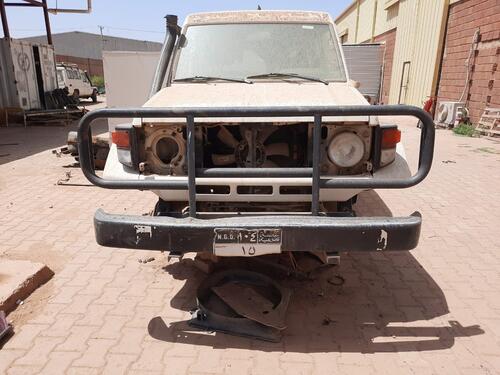
MSF facilities looted, medical activities impeded by violence in Sudan
Press Release
23 May 2023
Conflict in Sudan
Five things to know about the violence in El Geneina, Sudan
Project Update
18 May 2023
Conflict in Sudan
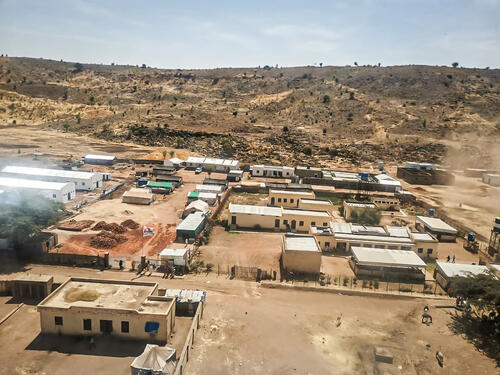
Communities continue to face the severe impact of conflict in Sudan
Project Update
16 May 2023
Conflict in Sudan
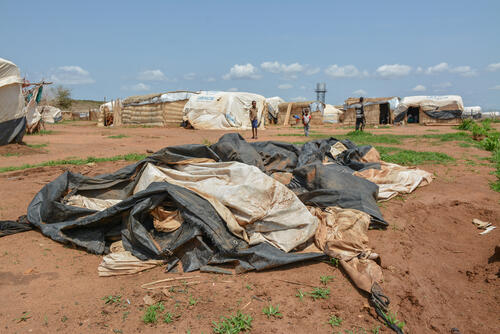
Refugees seeking safety in Sudan trapped in another stream of violence
Project Update
11 May 2023
Sudan
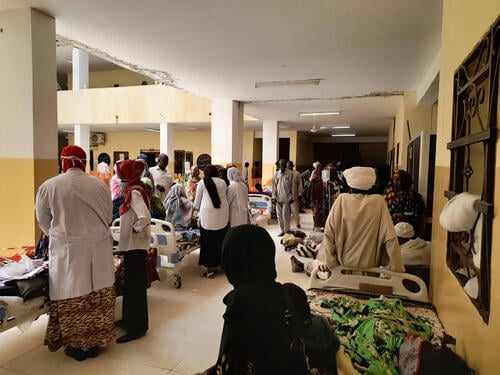
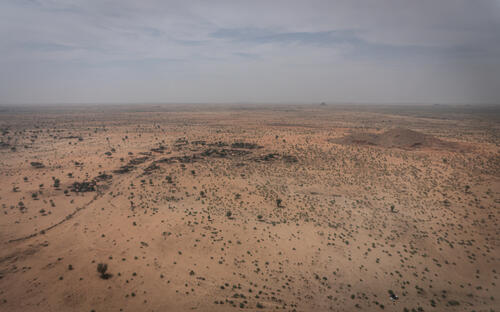
MSF responds to medical needs, prepares to scale up activities in Sudan
Press Release
26 Apr 2023