


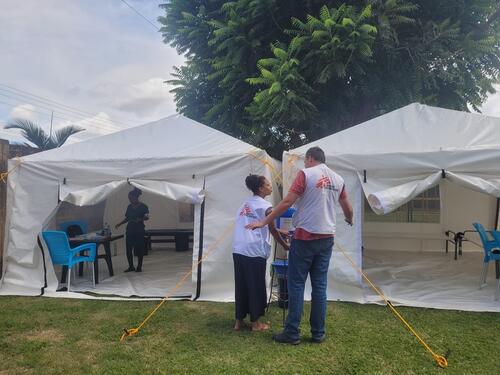
Having first worked in Zambia in 1999, we handed over our medical activities to the Zambian Ministry of Health in 2013. We returned in 2016 and 2018 to support the Ministry of Health in response to outbreaks of cholera
Cholera is a major public health issue in Zambia, with epidemics typically occurring during the rainy season. The outbreak in February 2016 was, however, the first to hit the capital since 2011.
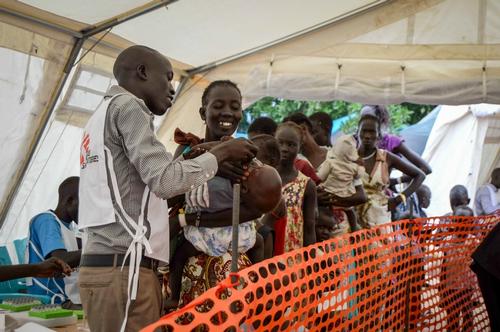
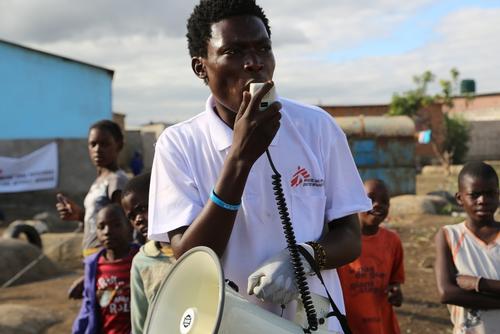
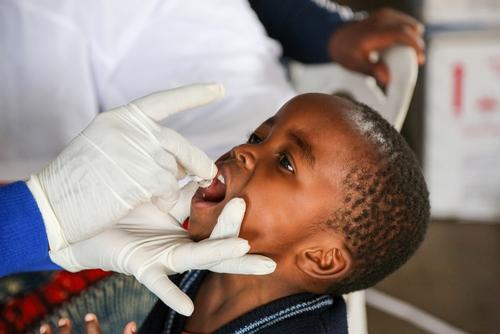
In January 2018, we again supported the Ministry of Health to manage an unusually large number of cases during a cholera outbreak in south Lusaka. We provided 24-hour support at the cholera treatment centre at Chawama hospital, as well as training staff, donating equipment and helping to establish surveillance and referral systems.
In 2018, we also set up nutrition programmes and conducted outpatient consultations for refugees who have sought shelter in Zambia, the majority from southeastern Democratic Republic of Congo.
Our activities in 2024 in Zambia
Data and information from the International Activity Report 2024.
6
6
€1.3 M
1.3M
1999
1999
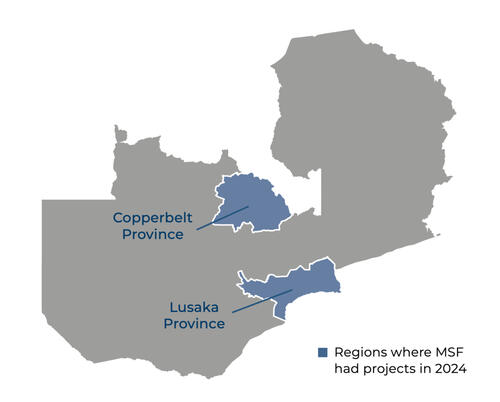
MSF in Zambia in 2024
Cholera is a persistent public health challenge in Zambia. In January 2024, Médecins Sans Frontières (MSF) responded to an outbreak in the capital, Lusaka.

43,200
43,2
500
5
80
8
Zambia
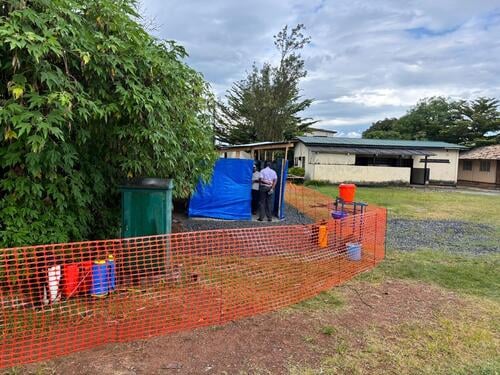
MSF responds to a surge in cholera in Zambia amid regional outbreaks
Project Update
28 Feb 2024
Zambia
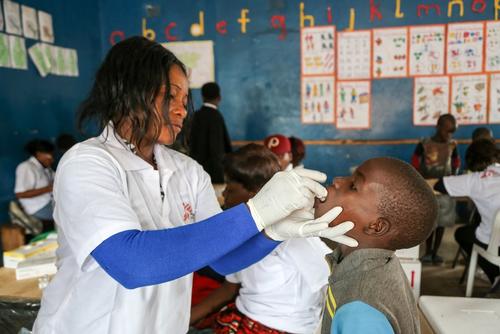
Encouraging new results further demonstrate effectiveness of the single dose oral cholera vaccine
Press Release
9 Feb 2018
Cholera
A promising new one-dose cholera vaccination strategy could save lives during outbreaks
Project Update
20 Oct 2016
Zambia
MSF responds to serious cholera outbreak in Zambia as the situation deteriorates rapidly in the capital city
Project Update
23 Jan 2009
Zambia
Cholera in Zambia: 'People do not want to talk about it. It's a dirty disease'
Project Update
15 Feb 2006