Non-communicable diseases require lifelong care.
In places with low-resources, or that are in crisis, they can become difficult to manage.
Non-communicable diseases, or NCDs, include a wide range of non-infectious, chronic health conditions. Asthma, diabetes, hypertension, and epilepsy are NCDs that we often treat. In certain countries, we also treat people with some types of cardiovascular diseases and cancers.
Many NCDs can be properly managed with the right treatment, but our teams often meet people who struggle to receive the healthcare they need to relieve the burden of their condition. Access to medicines, whether because medications are unaffordable, in too short supply, or not at all available, remains a consistent barrier to care that we try to overcome with our patients.
What we see where we work

01
Diabetes
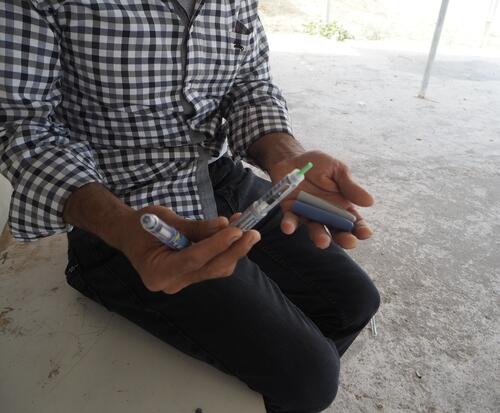
People with type 1 and type 2 diabetes, need consistent care and medication to manage their conditions. In places like South Africa, people may have to travel long distances to reach somewhere they can get medication. That’s why we are working in Eastern Cape province, creating ‘pick-up points’ in communities for people to have sustainable access to the medicine they need. We also advocate pharmaceutical companies to lower the price of insulin, which is a necessary medicine for type 1 diabetes, to US$1 per injectable pen, so that people everywhere can better afford their life-saving medication.
02
Cancer
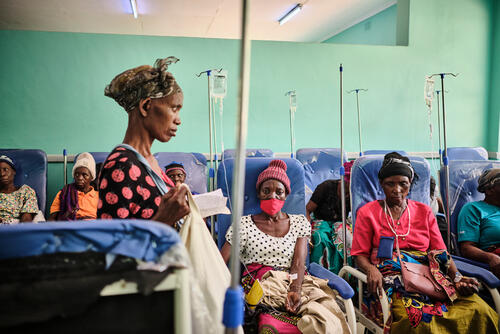
Many of the places where we work do not have the resources to screen and treat people for a range of different cancers. People who have cancer need access to treatments, as well as ongoing support through the difficult treatment process. In Mali, our teams began a project in Bamako to enhance detection and treatment for cervical and breast cancer. As part of this project, we are offering curative and palliative care to women, assisting the Ministry of Health with mass screening campaigns, and improving detection by investing in laboratories.
© Zainab Mohammed/MSF
03
Hypertension
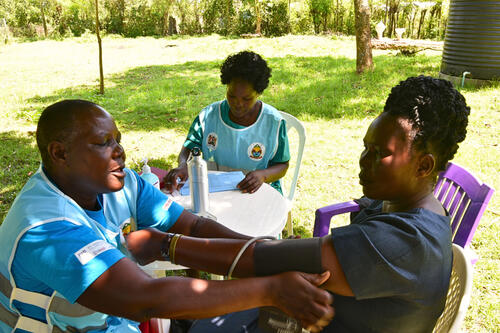
Hypertension, also known as high blood pressure, is a chronic disease that, if uncontrolled, can lead to complications like stroke and heart attacks. In Kenya, we started a patient-centred programme that uses health promotion and group sessions to improve people’s understanding of the disease. With better understanding, patients are more likely to adhere to their treatment.

04
Epilepsy
Epilepsy results from an underlying brain disorder that causes seizures. It can be lifelong, but seizures can be controlled with treatment. In children, untreated epilepsy can cause life-long setbacks. Since 2014, we have worked with the Ministry of Health in Liberia on a project to treat children with epilepsy and help them stay in school. As part of this project, children receive the anti-epileptic drugs they need, along with counselling to address negative feelings they may have because of stigmatisation.
Iraq
Significant healthcare needs remain in Hawija six years after battle with Islamic State group
Project Update
15 Jun 2022
Non-communicable diseases
No fridge, no problem, to store insulin for people with diabetes
Project Update
5 Feb 2021
Non-communicable diseases
Eight reasons why diabetes is a humanitarian emergency
Project Update
13 Nov 2020