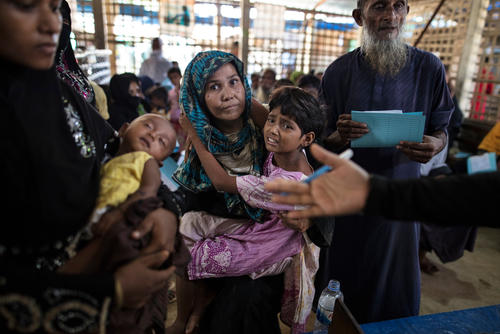
The military’s seizure of power in Myanmar in February 2021 left the public healthcare system in disarray, threatening millions of people’s ability to access healthcare.
MSF teams continue to care for HIV, tuberculosis and hepatitis C patients, provide basic healthcare and reproductive and sexual healthcare services, and to respond to medical emergencies.
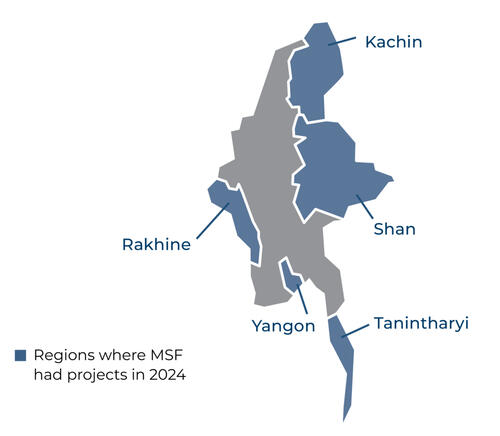
We pioneered HIV treatment in Myanmar – at one point becoming the largest provider of antiretrovirals in the country – and steadily grew a large patient cohort. In 2015, we began working with the Ministry of Health to transfer patients to the decentralised National AIDS Programme, so people can receive care closer to home. This has been suspended since the military seized power, and we are now seeing those patients return to us in greater numbers at our clinics in Shan, Kachin and Tanintharyi.
Despite restrictions on humanitarian access to conflict-affected areas, we have mobile teams based in Sittwe and Maungdaw in Rakhine state, who offer basic healthcare. They also arrange emergency referrals for patients from all communities, including those forcibly detained in camps.
Our activities in 2024 in Myanmar
Data and information from the International Activity Report 2024.
981
981
€13.8 M
13.8M
1992
1992
MSF in Myanmar in 2024
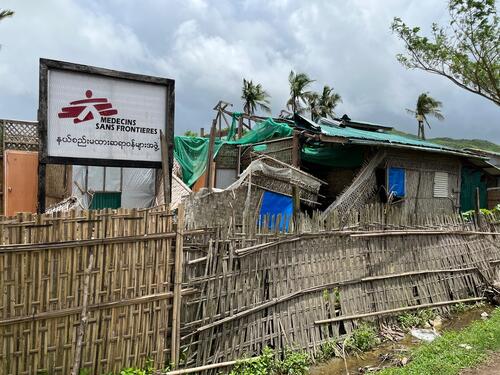
Despite violent attacks on our facilities and movement restrictions for our staff, Médecins Sans Frontières (MSF) continues to work in Myanmar to assist people affected by widespread violence and recurrent extreme weather events.

163,000
163,
7,140
7,14
480
48
460
46
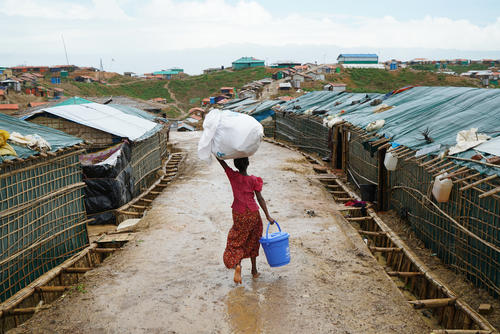
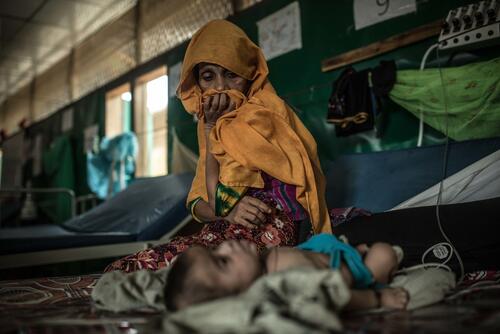
Rohingya refugee crisis
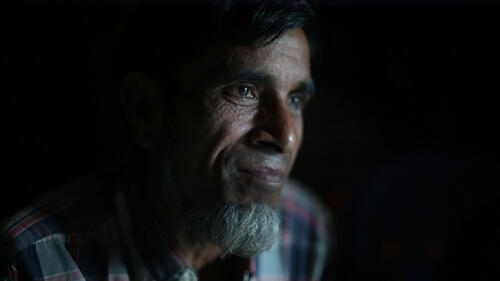
Abu Ahmad: “I always have so many worries; worries about the future.”
Voices from the Field
23 Aug 2018
Myanmar
Independent humanitarian agencies and access to healthcare still blocked in northern Rakhine
Press Release
15 Aug 2018
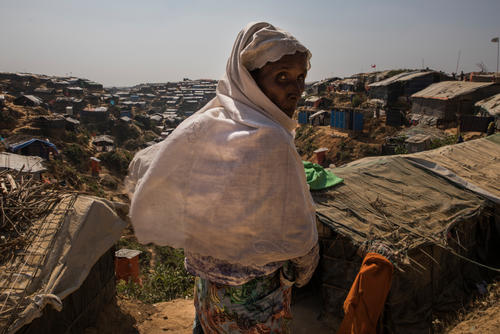
Rohingya refugee crisis
‘No one was left’ - Death and Violence Against the Rohingya
Report
9 Mar 2018
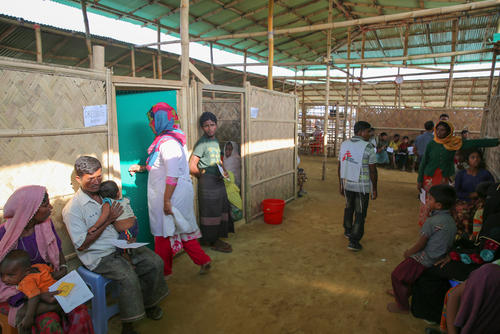
Rohingya refugee crisis
Rohingya crisis - a summary of findings from six pooled surveys
Project Update
9 Dec 2017