


Every year, between 500,000 and one million people who flee violence, discrimination and poverty in their countries enter Mexico after crossing Central America.
Most people who have traversed Central America to reach Mexico, along with hundreds of thousands of Mexicans, hope to reach the United States of America.
In Mexico, these people are systematically exposed to further episodes of violence, including kidnappings, torture, and sexual violence. In recent years, the proportion of women travelling alone and with small children has increased. While most migrants come from other countries in the Americas like Venezuela, Colombia, and Haiti, many people also arrive from Africa and Asia.
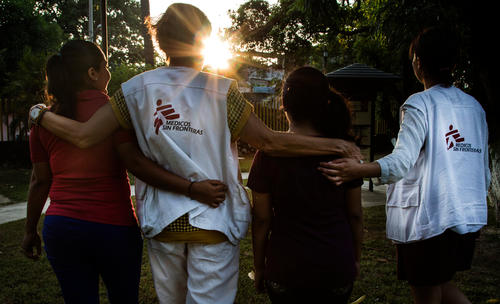
We have been working with migrants and refugees in Mexico since 2012. Our teams work at different points along Mexico’s southern and northern borders, and at key locations in between, offering medical and psychological assistance. Our projects are always adapting to the ever-changing migration route. We support shelters and health structures and run mobile clinics.
In Mexico City, we have a comprehensive care centre where we provide specialised multidisciplinary care to migrants, refugees, and Mexican people who have been victims of extreme violence and torture.
MSF has repeatedly denounced the repressive policies of the U.S.A. and Mexican governments, which are based on criminalisation, persecution, detention and deportation. These policies are used to contain migratory flows to the northern border, but they oftentimes push migrants into the hands of criminal gangs who extort them.
Our activities in 2024 in Mexico
Data and information from the International Activity Report 2024.
276
276
€12.4 M
12.4M
1985
1985
MSF in Mexico in 2024
In 2024, Mexico hosted significant numbers of asylum seekers and people on the move. Médecins Sans Frontières (MSF) provides medical care and mental health support through clinics across the country.
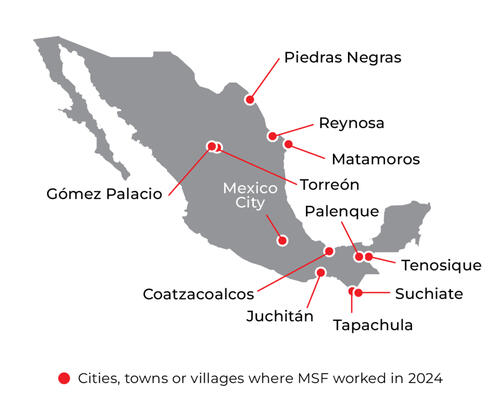

49,900
49,9
9,840
9,84
800
8
640
64

Mexico
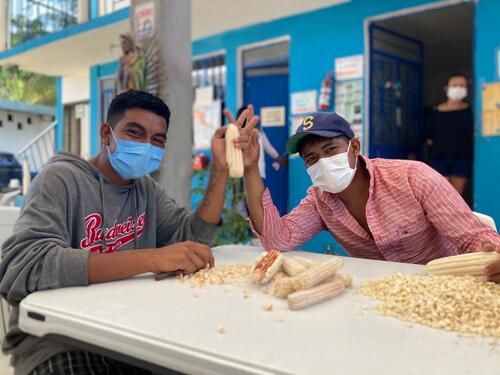
Providing animal-assisted psychological support to victims of violence in Mexico
Project Update
14 Mar 2023
Central American migration
Barriers don’t deter people making their way to the United States
Project Update
23 Sep 2022
Mexico
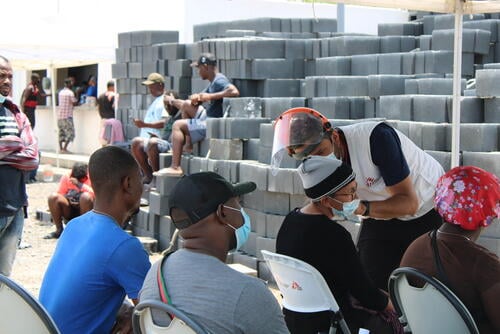
More assistance urgently needed for people arriving in Mexico’s northern border cities
Press Release
11 Jul 2022

Central American migration
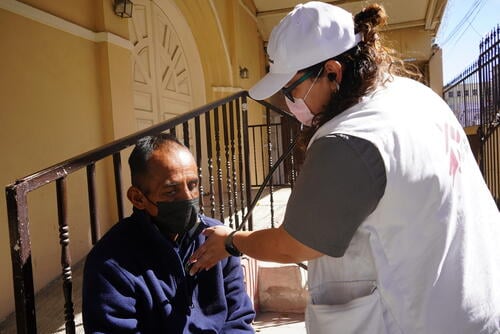
Pushed back, beaten and exposed: Stories from the US-Mexico border
Voices from the Field
29 Mar 2022
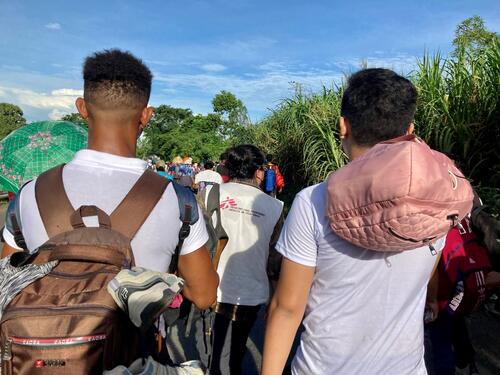
Central American migration
US and Mexico asylum policies leave migrants in deplorable and dangerous conditions
Press Release
9 Sep 2021
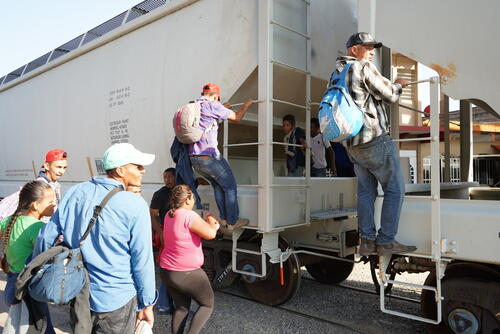
Central American migration
Migrants through Mexico further criminalised, exposed to danger, through militarised border pact
Project Update
27 Apr 2021
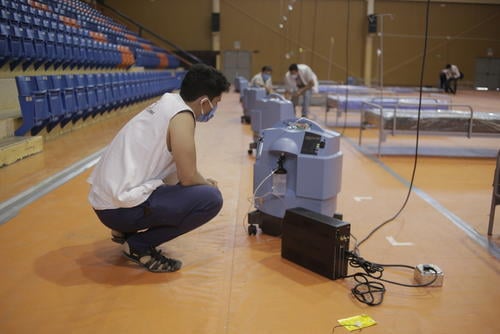
Coronavirus COVID-19 pandemic
MSF opens two COVID-19 treatment centres in northeastern Mexico
Project Update
3 Jun 2020
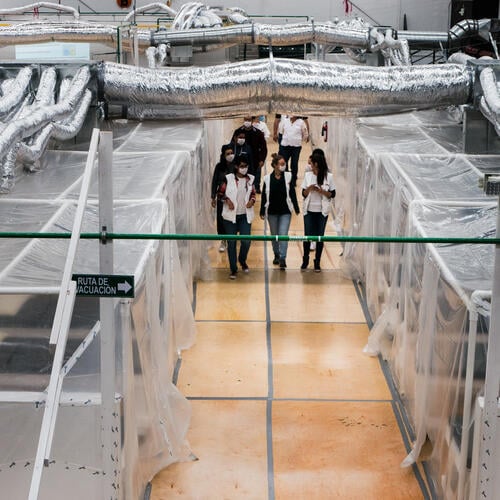
Coronavirus COVID-19 pandemic
MSF provides critically-needed COVID-19 medical care in Tijuana
Project Update
7 May 2020
Contact us
MSF Mexico
Fernando Montes de Oca 56
Col. Condesa, 06140
Del. Cuauhtémoc, Ciudad de Mexico
Mexico