


Learn about how, why, and where MSF teams respond to different diseases around the world, and the challenges we face in providing treatment.
Medical activities
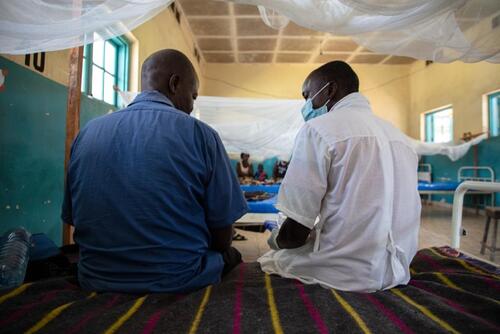
Meningitis
Meningococcal meningitis is a highly contagious bacterial form of meningitis – a serious inflammation of the meninges – the thin lining that surrounds the brain and spinal cord.
Medical activities
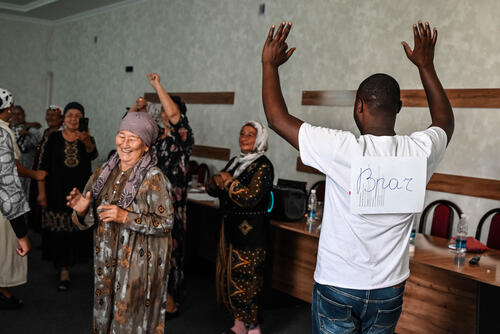
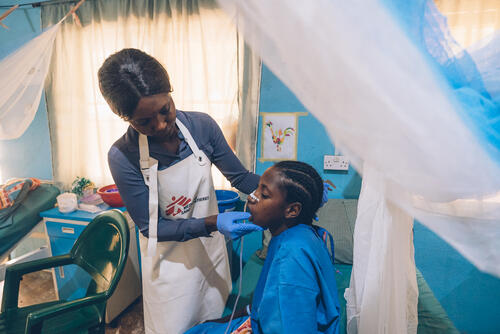
Mental health
Where we work, we may see people with a mental illness or confronting distressing situations, such as violence, loss or displacement. Mental health support can be crucial to help people cope.
Medical activities
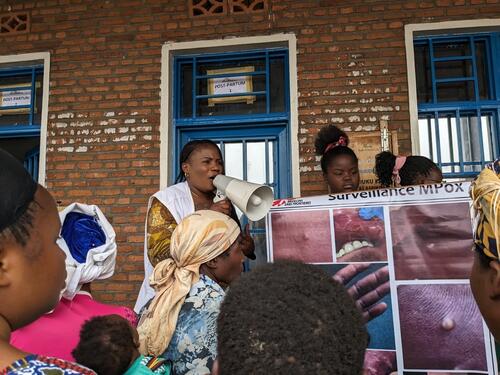
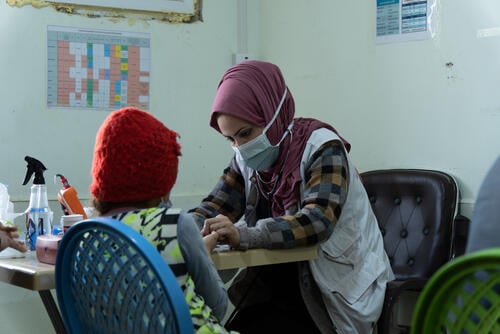
Neglected diseases
MSF teams treat a number of neglected diseases, including noma, Chagas, cutaneous leishmaniasis, in projects across the world.
Medical activities
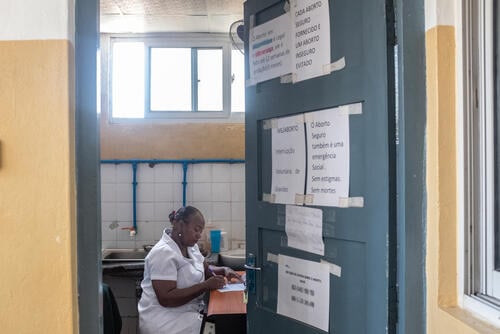
Safe abortion care
MSF is committed to providing safe abortion care to reduce avoidable suffering and deaths. Every minute, a woman or girl has an unsafe abortion. .
Medical activities
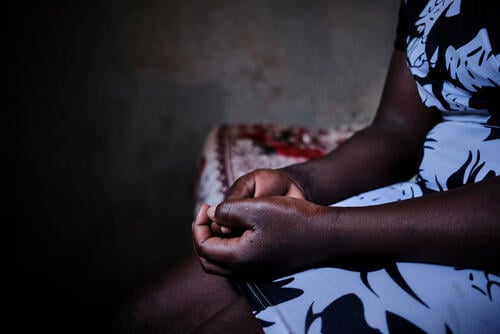
Sexual violence
Sexual violence affects millions of people, brutally shattering the lives of women, men and children. It is a medical emergency, but there is often a dire lack of healthcare services for victims.
Medical activities
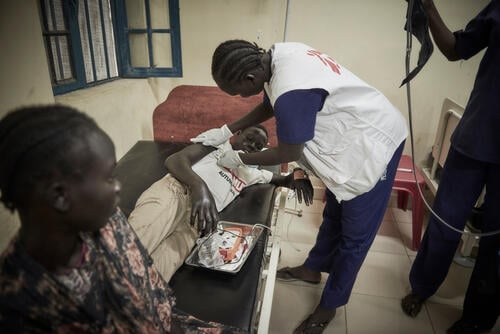
Snakebite
Snakebite is a hidden health crisis. Every year, an estimated 2.7 million people are bitten by venomous snakes, resulting in death for more than 100,000 people and life-long disfigurement and disability for 400,000 more.
Medical activities
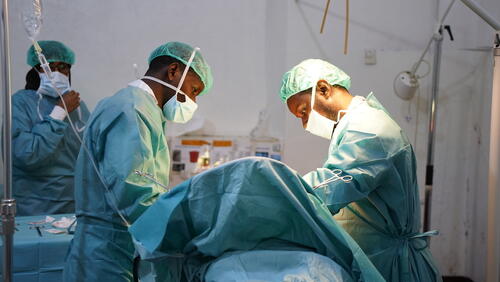
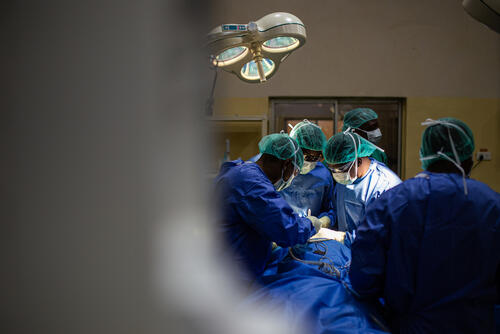
Surgery & trauma care
Médecins Sans Frontières has been providing surgical care for people in precarious contexts for decades.
Medical activities
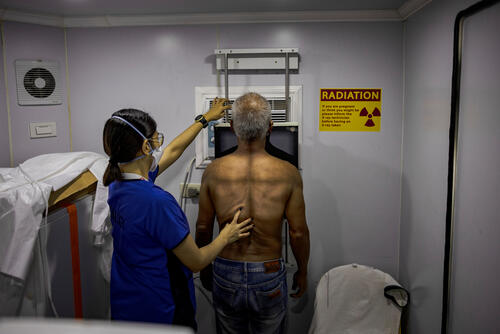
Tuberculosis
Tuberculosis (TB) is one of the world’s biggest global health crises. Killing 1.3 million people in 2022 TB is the world’s second deadliest infectious disease after COVID-19 (WHO).
Medical activities
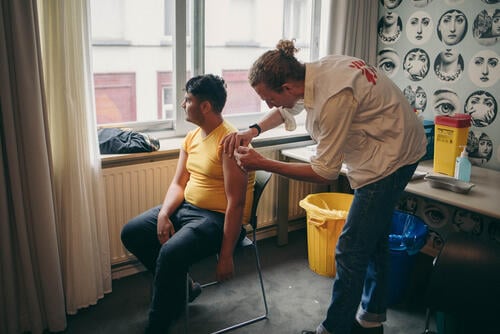
Vaccination
MSF teams vaccinate millions of people every year, either as part of routine vaccination, or in response to an outbreak of disease.
Medical activities
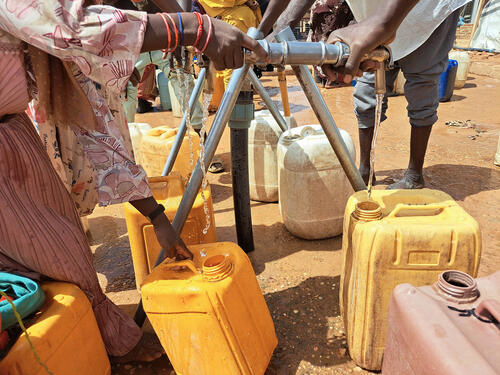
Water and sanitation
Clean water and sanitation services are necessities for good health.

Médecins Sans Frontières (MSF)
Independent medical humanitarian assistance
We provide medical assistance to people affected by conflict, epidemics, disasters, or exclusion from healthcare. Our teams are made up of tens of thousands of health professionals, logistic and administrative staff - most of them hired locally. Our actions are guided by medical ethics and the principles of independence and impartiality. We are a non-profit, self-governed, member-based organisation.
Learn more